

Special-purpose machines: a machine built around your product
For products that do not fit a standard machine.
Does your product not fit a standard machine? We design and build special-purpose machines from a blank sheet, tailored to your production. From automating a single operation to complete lines.
Some products do not fit a machine from the catalogue: an unusual format, a fragile material, an operation that could only be done by hand until now. Then we build the machine ourselves, for handling, palletising, processing or assembly. We design it around your product and your process, so it does what is needed and nothing more.
What does a custom-built machine cost?
Our projects range from SEK 65,000 to SEK 4.5 million excl. VAT. A simple automation starts at around SEK 65,000, a turnkey cobot palletiser for boxes from about SEK 460,000.
The cost depends on the number of operations, the speed, the product variation and how much flexibility you need. Automating a single simple operation costs far less than a complete line or several machines.
In most cases we agree a fixed price. That depends on the size of the project.
We usually set the investment against the extra production per year or the saving in full-time staff per year. The quality gain compared with manual work differs from project to project. We map that out together with you.
Designing a machine starts in your factory
We always start in the factory, not at the drawing board. We look at how the product moves through the line today, where it falters and what operators have to correct every day. From that comes a concept that we test with your team, before a single plate is cut. That is how we avoid over-engineering and build machines that are simple, and therefore reliable.
Design, build and CE marking in-house
We do design, mechanics, controls, commissioning and CE marking in-house. That applies to a single workstation and to a complete assembly line. You get one point of contact, quick communication and a machine that fits in with what is already there. Because we also do maintenance and optimisation, we build from day one with the years ahead in mind: easy to access and quick to change over.
Having a machine built in five steps
It is usually repetitive work that the machine takes over, so your people can move on to more interesting tasks.
1. Getting to know each other and taking a good look
We come to you. That first visit is always free, as long as there is coffee. Book the first visit. We find out what is really needed. Which products are involved, and how many? What are the largest and smallest dimensions, and how many variants are there? Do you want one adjustable machine or a machine per product? Manual or automatic?
We also talk about the investment straight away. After that first visit we can usually tell you roughly what to expect. If we cannot yet, we tell you.
Then we make it concrete: production volumes, cycle times and the output you need. We record that in a specification document, before we design anything. The colleague who will work out the technical side of your project is involved from the start. Over time, they take over the technical contact.
2. Letting it sink in and whiteboarding
After the first visit we write a report and let it rest for a while. The best ideas often come in the shower or while walking the dog. Then we whiteboard, at our place and at yours. We also look at what is already on the market. If an existing machine works with a few modifications, you are finished sooner and it costs less.
We refine our first estimate at every step. We only build once you give the go-ahead.
3. Building
Where possible, we build the machine in our own workshop. A modification or a section of a production line is built on site at your premises.
We keep going until we have delivered what we agreed. If we discover halfway through that something is missing, we find a solution together.
4. Testing and handover
First we test the machine at our workshop, then in production at your site. You can also have both tests done at your site. We install and fine-tune on request. If we build the whole system, we deliver it with CE marking. For a partial system we supply a declaration of incorporation. Where needed, we train your operators and maintenance team.
5. After handover
In an SLA (Service Level Agreement) we set out what you can expect from us for maintenance and breakdowns.
How long does it take to build a machine?
On average it takes about six months from the first visit to a running machine. A simple machine or a modified existing machine can be quicker. A large engineering project usually takes longer.
Rebuilding and relocating, even without drawings
Not every project starts from a blank sheet. We often rebuild, relocate machines or modify existing installations that we were not involved in from the drawing stage. Often not everything is documented, so we solve problems as we find them, on the shop floor.
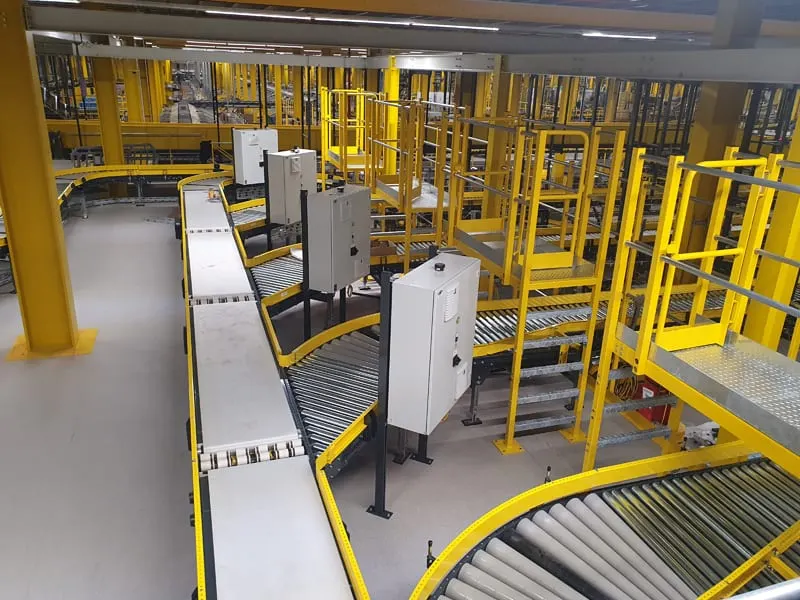
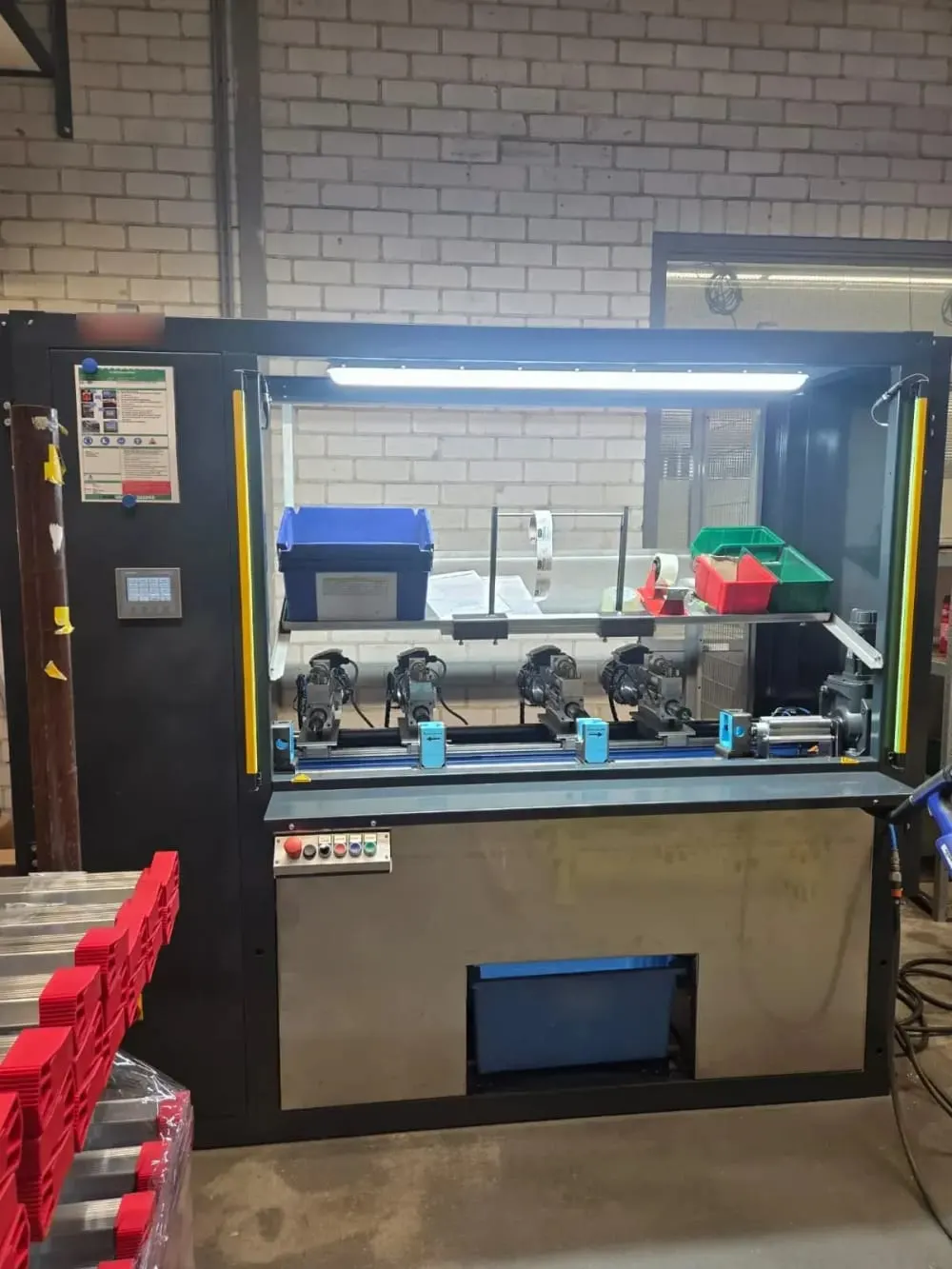
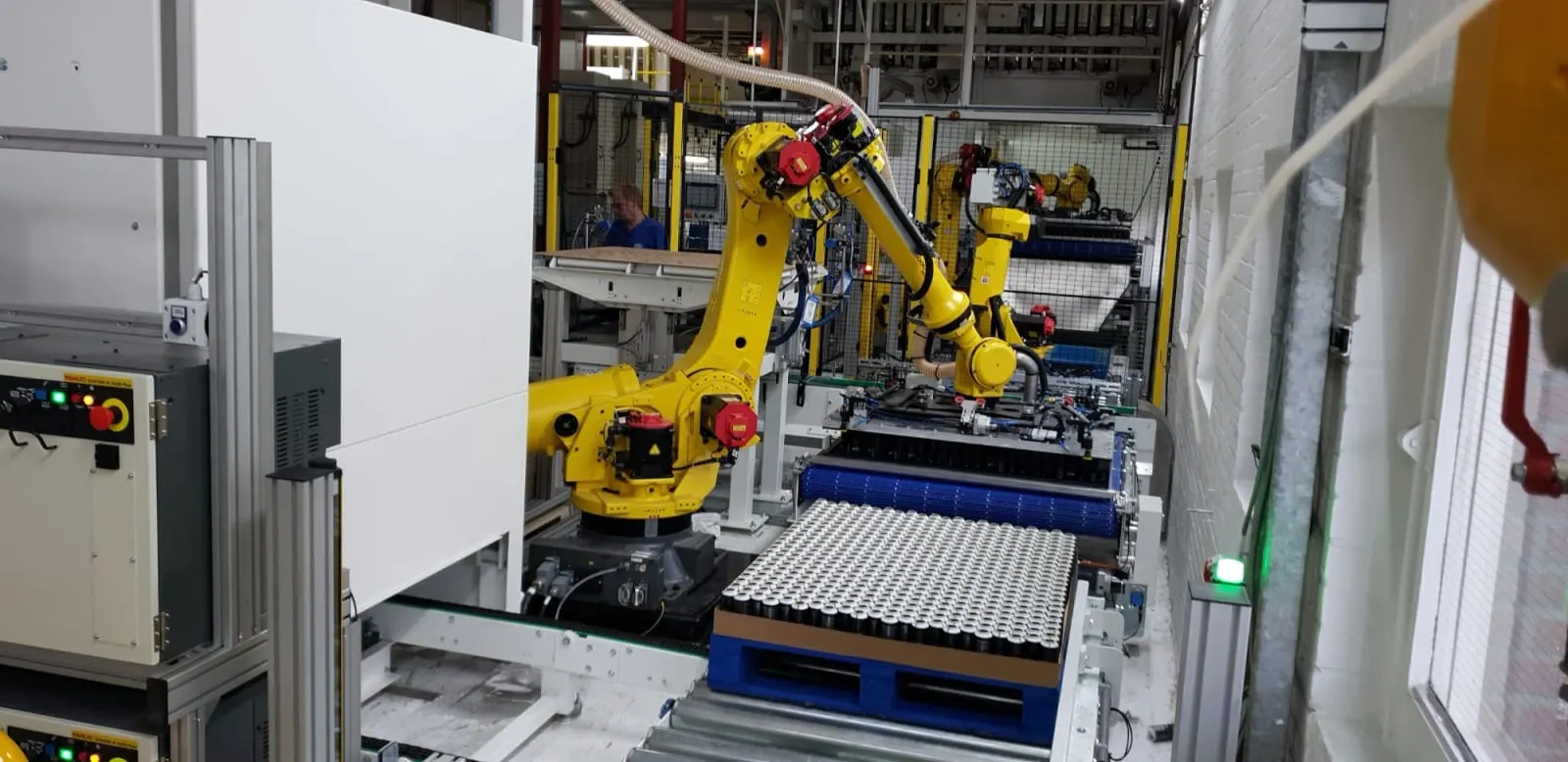
Frequently asked questions about machine building & special-purpose machines
What does a special-purpose machine cost?
Our projects range from about SEK 65,000 to SEK 4.5 million excl. VAT. Automating a single simple operation starts at around SEK 65,000. The price depends on the number of operations, the speed, the product variation and how much flexibility you need. A single simple operation costs far less than a complete line or several machines.
Do you work with a fixed price?
That depends on the size of the project. In most cases we agree a fixed price.
How do you work out whether a special-purpose machine pays for itself?
We usually set the investment against the extra production per year or the saving in full-time staff per year. Quality gains compared with manual work, such as fewer rejects or less physical strain, vary a great deal from project to project. We map those out case by case. That way you know where you stand before you start.
How long does it take to build a special-purpose machine?
On average it takes about six months from the first visit to a running machine. A simple machine or a modified existing machine can be quicker. A large engineering project usually takes longer. The lead time depends mainly on the complexity and on how flexible the machine needs to be. The build itself need not take long. Most of the time goes into properly defining what the machine has to do.
What is special-purpose machine building?
It means designing and building a machine for one specific product or process, instead of buying one from a catalogue. Typical reasons are a product with an unusual format, a fragile product, or an operation that could only be done by hand until now.
What is the difference between a standard machine and a custom one?
A standard machine is made for an average product and an average factory, and is often available sooner. A custom machine is designed around your product, your volumes and your line. Where a standard solution fits, we simply recommend it, for example a standard cobot palletiser. Custom work pays off when the standard machine does not quite do what is needed.
Do you take care of the CE marking?
Yes, we do the CE marking ourselves. We carry out the risk assessment, compile the technical file and supply the declaration of conformity. That lets you put the machine into service safely and in line with European rules, without needing a separate party.
Can a new machine connect to our existing line?
Yes. Connecting to existing lines, conveyor systems and control systems is a standard part of our work. In the first phase we establish which machines and components we need to connect to, so the new machine runs in step with what is already there.
Our other services
Process optimisation & automation
Smarter, more efficient processes.
Fault analysis
Analysing, solving and preventing faults.
Software & system integration
Connections between machines and systems.
Training & support
Teams that understand their own systems.
Retrofit of existing machines
Modernising ageing machines.
Robotics & automation
Robots that take over repetitive and heavy work.
Maintenance team support
Solving faults and strengthening your maintenance team.
CE marking & machine safety
Safe machines, the right documentation.
Got an idea for a machine?
Talk it through with us. We help you weigh up feasibility, investment and payback time.