Cases

Completed projects from start to finish

How we made existing production lines faster and more reliable for manufacturers in the Netherlands, from analysis to result.

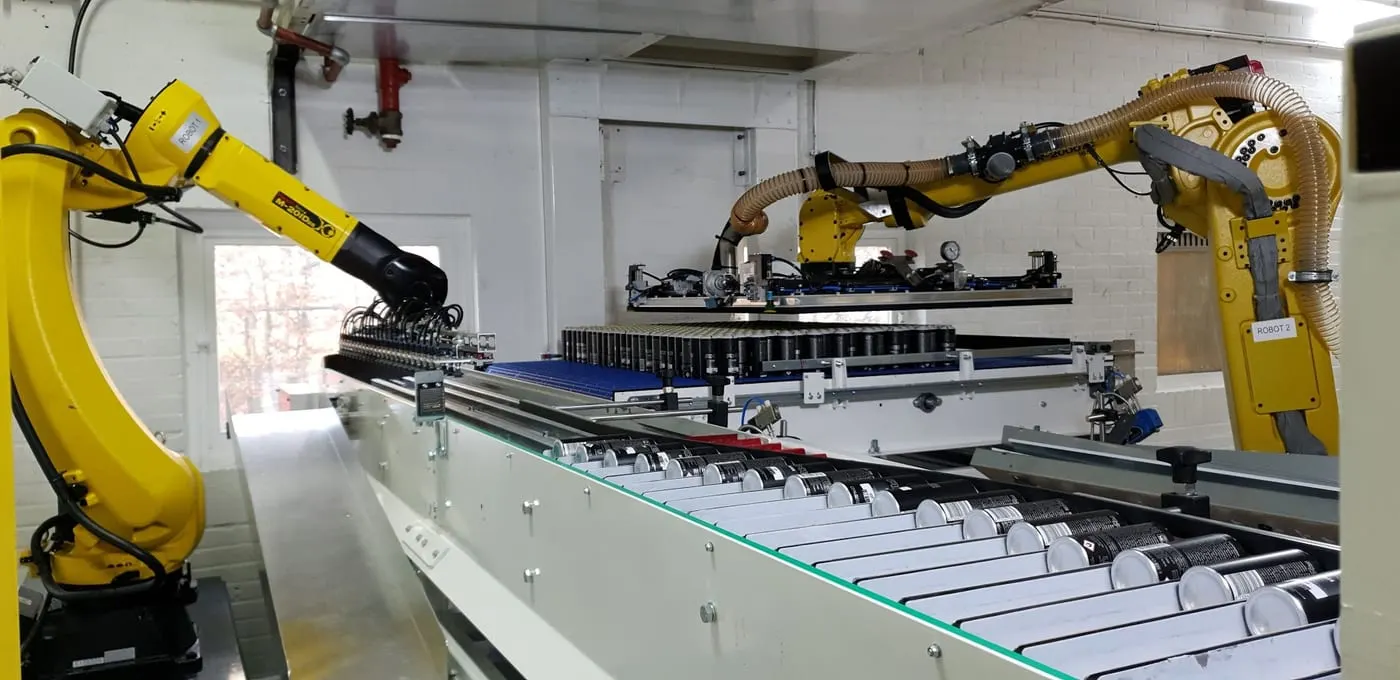
Coca-Cola

Changeover time cut from 3 hours to 1 on several high-speed can lines

At Coca-Cola, format changes on several can lines took far longer than necessary, costing production hours every day. Technically the lines could do more, but the existing mechanical design and the number of manual steps held back the pace.

By simplifying the changeover procedure and redesigning the technical layout, changeover time dropped from three hours to one. That delivered more production time and higher line availability straight away.
Read more →
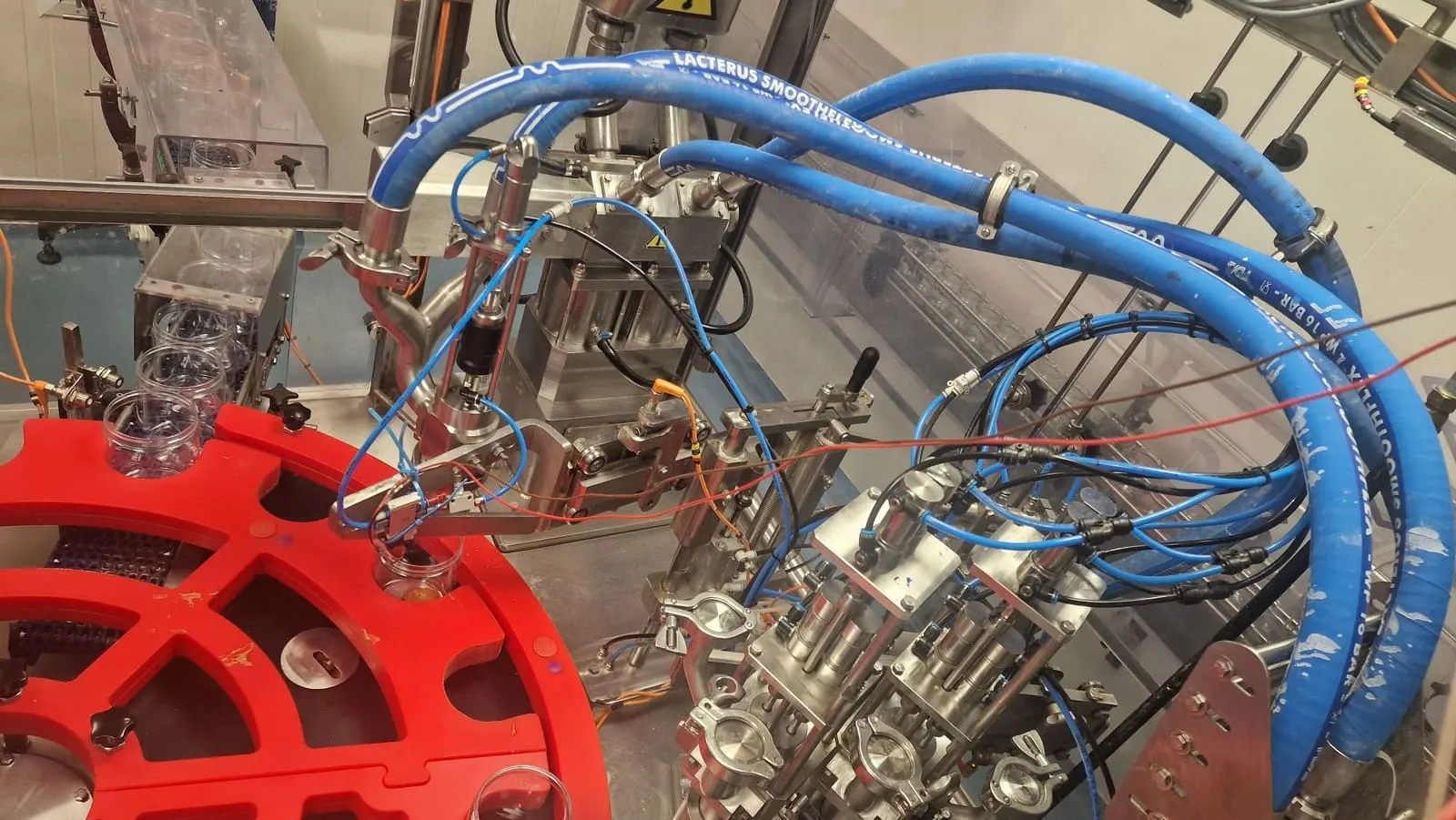
Filling machine with rotary table and air blow-off system during the test phase, with temporary fixings for fine-tuning.

Food producer

3 FTE saved with a reliable filling process

Production of the food itself was well under control, but filling and sealing the packages was not. Because there was no certainty that every package was properly sealed, an extra operator checked every package 24/7. What started as a fix after an incident had gradually become a fixed habit.

We improved the existing filling method: better timing of the filler and an air blow-off system that keeps the filling nozzle clean. No new machine, no hassle with the line supplier. For less than €10,000, including training and commissioning, the producer now saves 3 FTE.

Read more →
Robots on a production line.

Unilever supplier

From firefighting to 30% less downtime

This packaging manufacturer supplies Unilever and was struggling with unpredictable breakdowns and a control system that gave too little insight into deviations. Operators only became aware of problems late, so downtime mounted and maintenance costs rose.

By monitoring critical components, using predictive analytics and helping operators recognise abnormal behaviour earlier, the process became far more stable. The plant moved from reactive to predictable, with less downtime and more reliable machinery.

Read more →

Altrex

Faster assembly without compromising on safety

Manual assembly of household steps led to inconsistent quality, physical strain and unnecessary time loss in the process. That made it hard to guarantee speed, safety and consistency at the same time.

By automating repetitive steps, improving ergonomics and making the work sequence clearer, assembly became both faster and safer. Output went up, QC rejects went down and the work became more consistent for everyone on the line.

Read more →
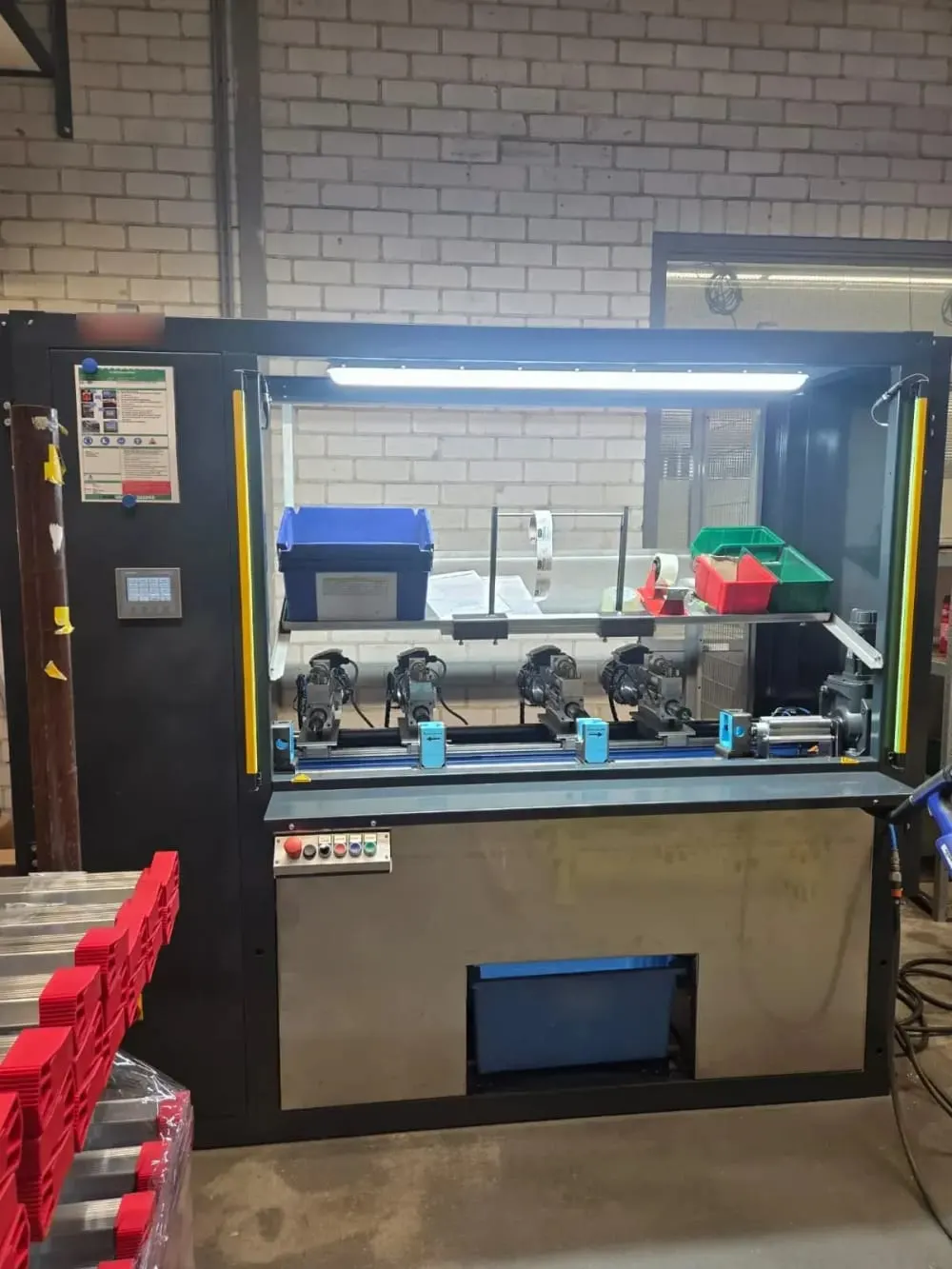
ST-01 machine: guarded workstation with light curtains, control panel and four drilling units above the product holders.

ST-01 stabiliser bar machine

The right split between people and machine

For assembling stabiliser bars we built the ST-01: a special-purpose machine that takes over the precision work and leaves the assembly to the operator. The machine presses the parts into place, drills the holes where they are needed and presents those holes to the operator for blind riveting.

The machine is built from standard, readily available components with long-term support, there is room in the program for new products, and it is prepared for further automation, for example with a robot.

Read more →
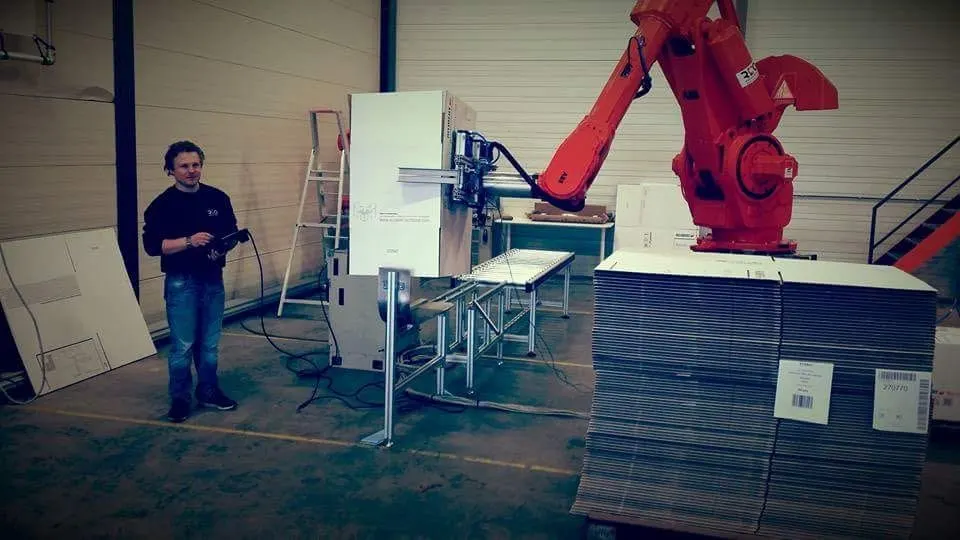
Mike from De Machinedokters programming an ABB robot that folds open a box, next to a stack of flat box blanks.

Folding and stacking boxes

One robot that erects boxes, tapes them and stacks them again once filled

Picking up flat boxes (blanks) and folding them open is exactly the kind of repetitive work a robot can take over, but a blank is floppy and every box has to be folded precisely. Through agreements with the box supplier, a specially developed folding tool and one robot for both folding and stacking, we fully automated the process.

Read more →
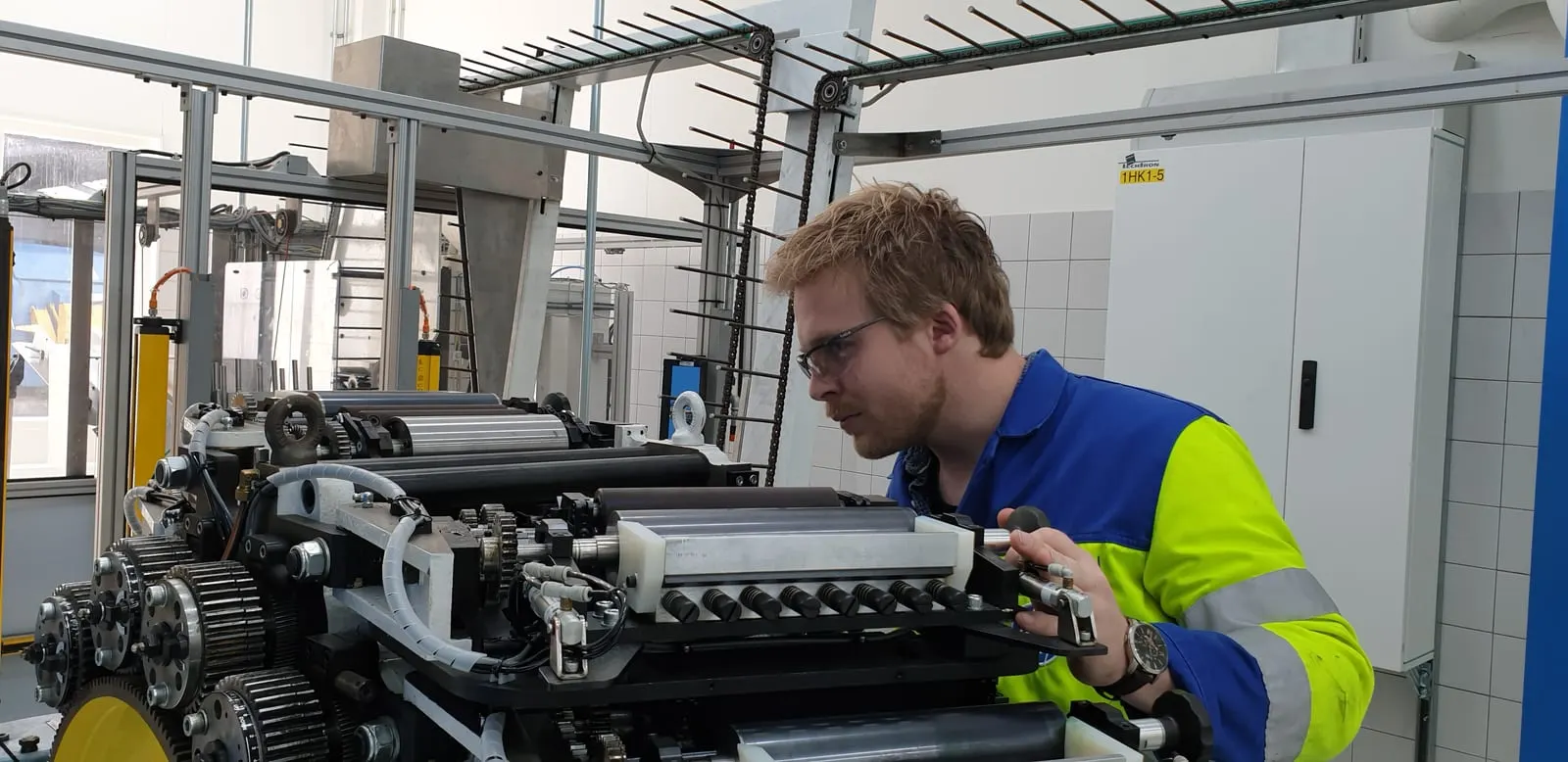
Technician inspecting machine parts in an industrial setting.

People and industry

Technology that supports people instead of replacing them

At this sheltered employment company, outdated controls and unclear processes turned out to be an obstacle to safe and understandable work. For employees at a distance from the labour market, this led to uncertainty, errors and unrest on the shop floor.

New controls, clear operation and the removal of hazardous situations gave employees a workplace where they can work with confidence. Production became safer and calmer, with fewer errors and a better overview.

Read more →
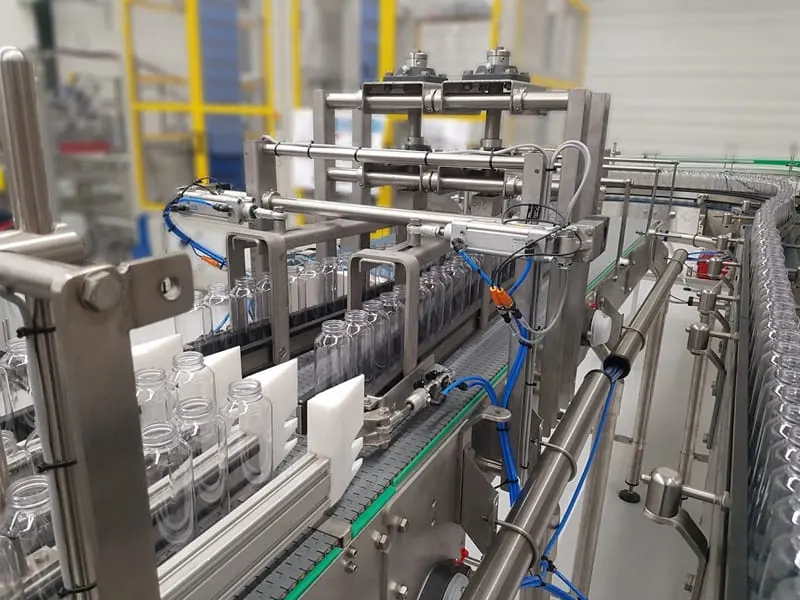
Automated production line with small empty bottles on a conveyor.

Food industry

More efficient packaging with less waste

The primary packaging line in this plant ran too unstably, so operators often had to adjust and correct things by hand. That caused product loss, variation in quality and far too much packaging waste.

Technical improvements and simpler error-proofing made the line more stable and predictable. Speed went up, waste went down and process control improved noticeably, without buying new machines.

Read more →
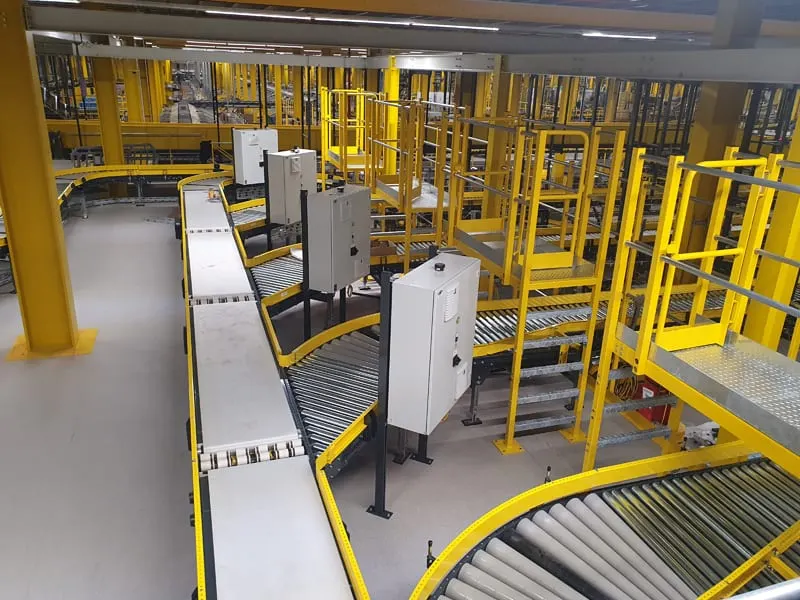
Industrial conveyor system with roller conveyors and yellow handrails in a factory hall.

Packaging industry

From an illogical U-shape to a scalable production line

The existing U-shaped layout meant long walking distances, inefficient handling and a workflow with little overview. As a result, capacity was reaching its limit while the physical workload kept increasing.

By redesigning the entire line as a straight production line, the process became clearer and faster. Changeover time dropped sharply and capacity rose, without needing extra floor space or new machines.

Read more →
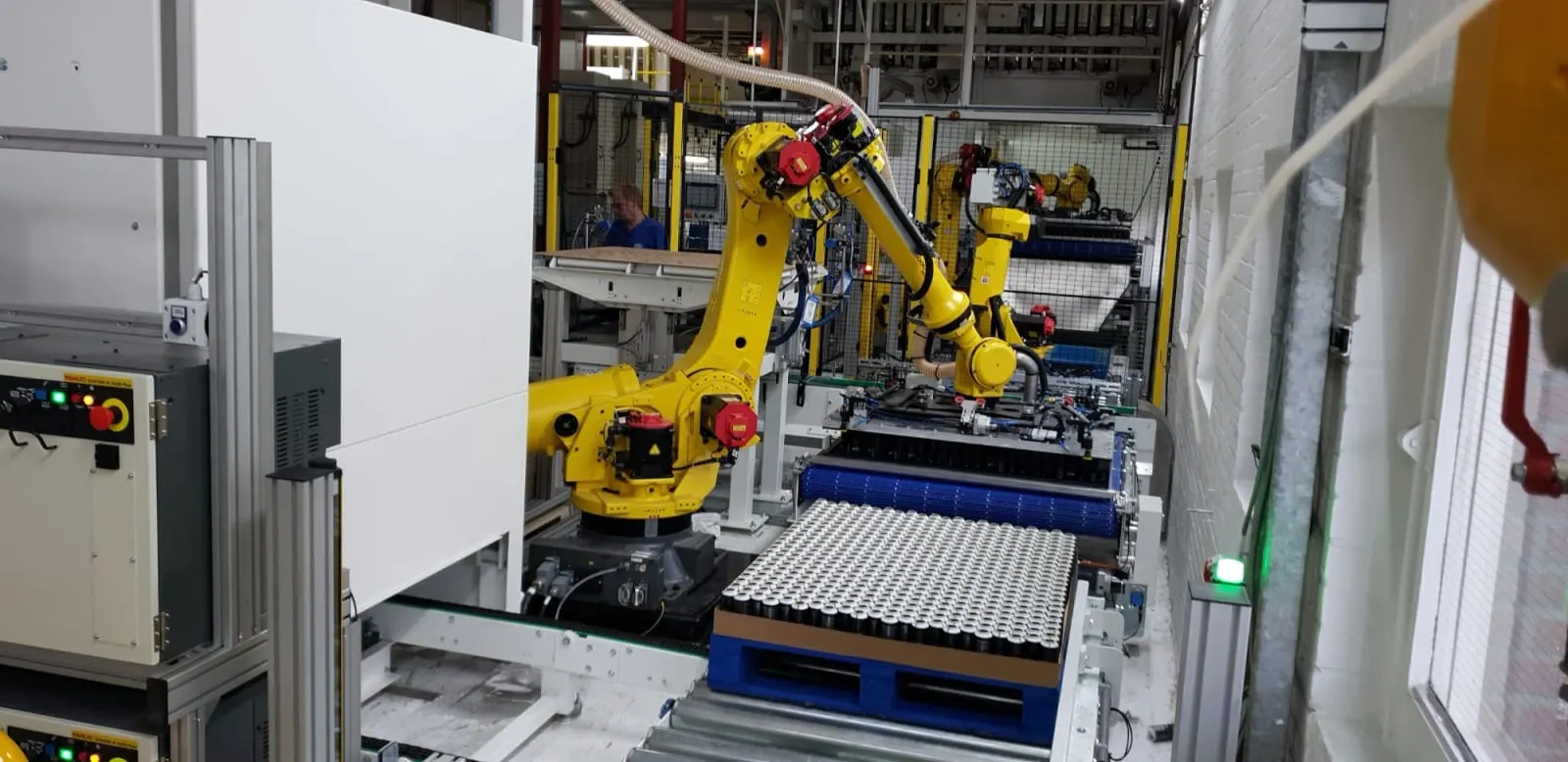
Two FANUC robots stacking layers of aluminium cans on a pallet.

Aluminium packaging

Smarter conveying for 40% higher output

The combination of manual custom packaging and automated conveying made further growth and robotisation difficult. The available floor space was too limited to take the next step.

By moving the conveyor system underground, we created room for robot integration without affecting the manual packaging line. The line became faster and more flexible, while custom production was retained.

Read more →

How De Machinedokters work

  1. 1

    Analysis

    We analyse your situation and set concrete targets together.

  2. 2

    Improvement plan

    You get an improvement plan with a clear ROI.

  3. 3

    Implementation

    We carry out the plan on the shop floor.

  4. 4

    Training

    We train your team to work with the new systems.

  5. 5

    Results

    You get ongoing insight into the results, and we adjust where needed.

Sound familiar?

Tell us what is happening in your factory and we will work out together where the gains are.