

Fault analysis for machines and production lines
Analysing, solving and preventing faults.
Does your line keep stopping in the same place? With a fault analysis we find the real cause, on any brand of machine and across mechanics, electrics and controls. Then we set up maintenance so the fault does not come back.
When something goes wrong, we fix it so it stays fixed. A fault analysis finds the real cause. Because we know both mechanics and control engineering, we can fix the fault and stop it coming back.
Does this sound familiar?
- The same fault returns every week, always in the same place.
- The line has lots of short stops that nobody records any more.
- One experienced operator always gets the machine running again, the others do not.
- A temporary fix has quietly become the normal way of working.
Then the cause has not been found yet.
How we approach a fault analysis
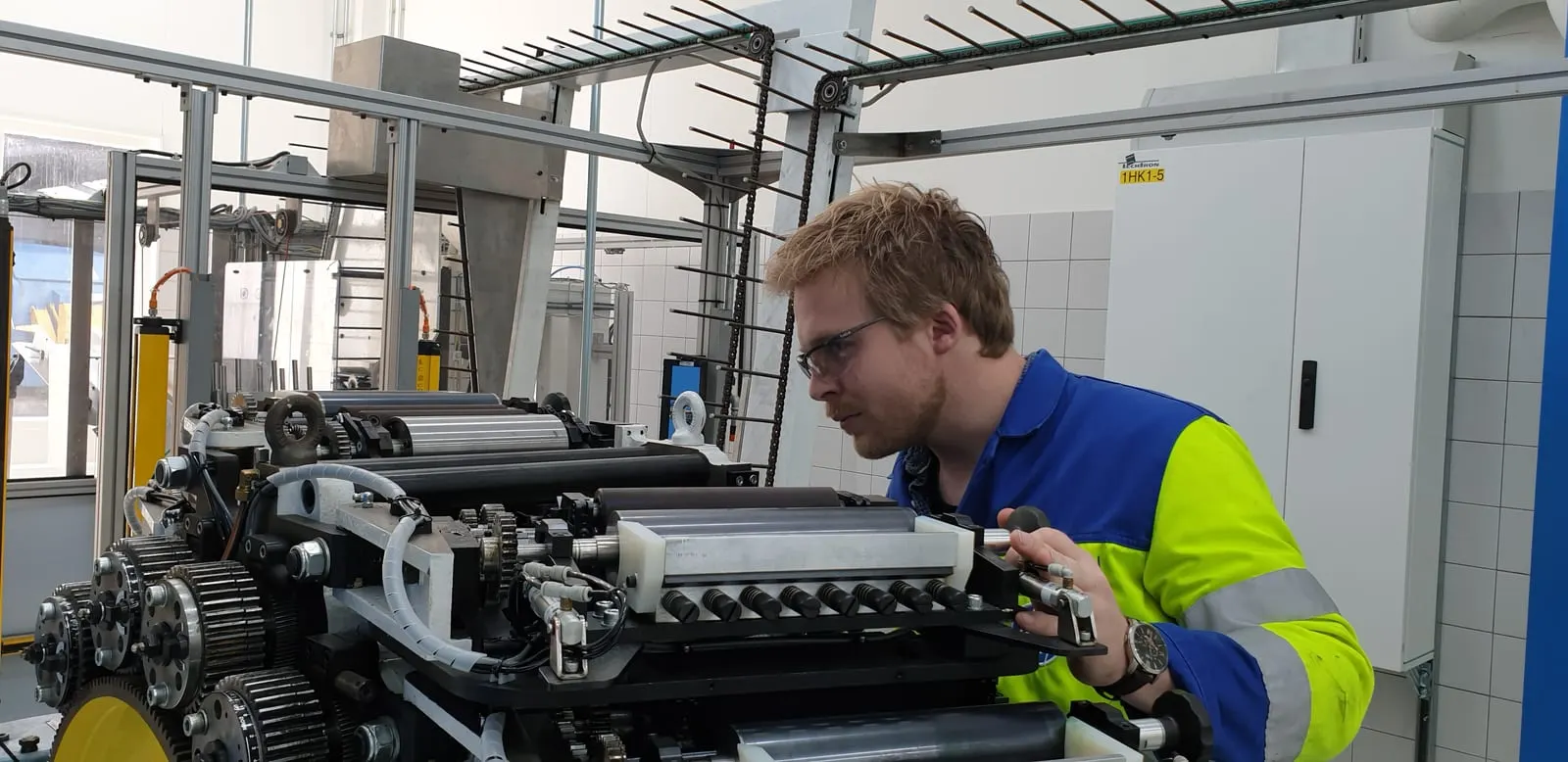
- Collect. Fault logs, PLC data and above all the stories of the operators and maintenance technicians who work at the machine every day.
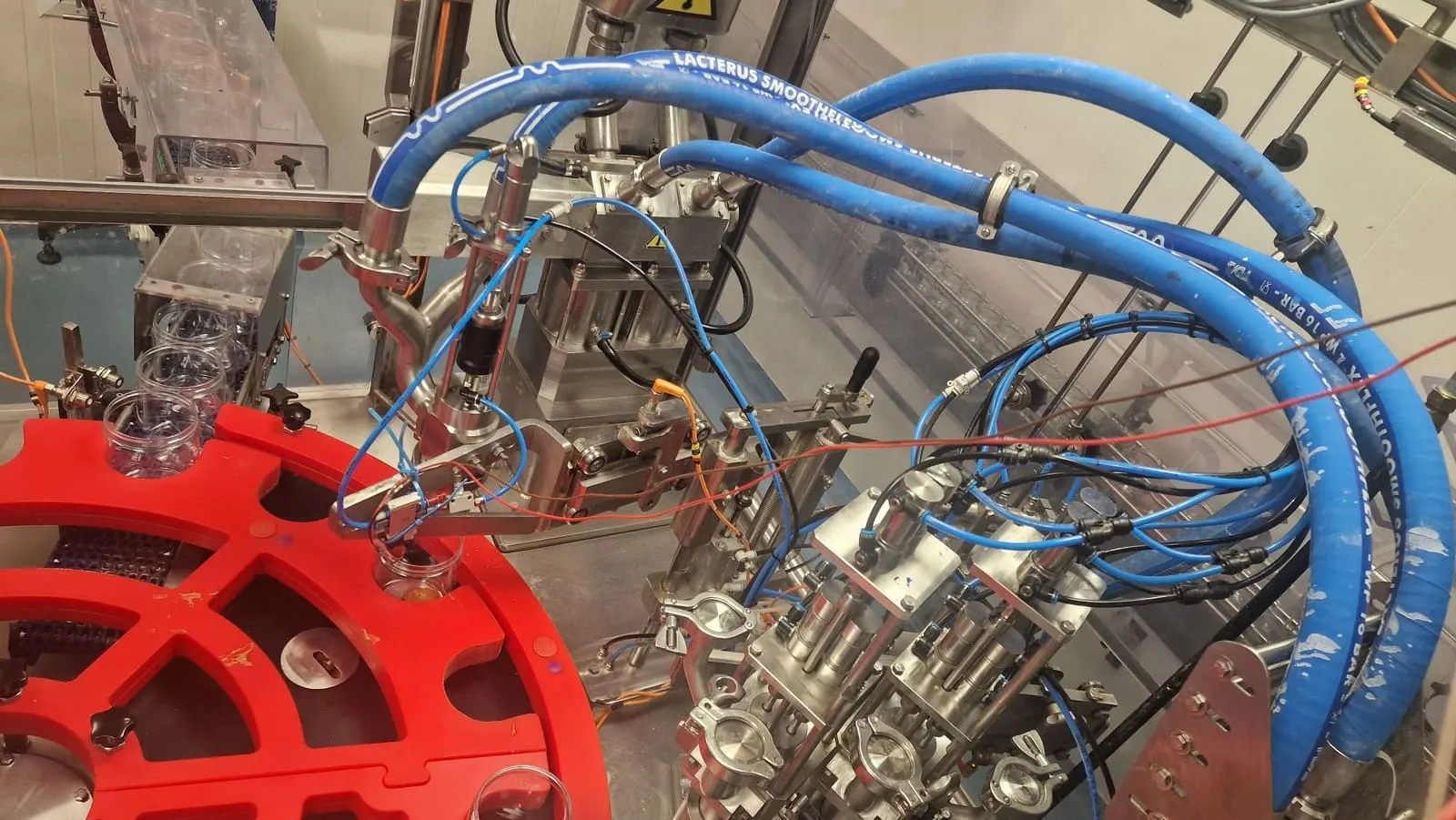
- Measure. We read out the data the machine already has, or fit extra sensors where needed: vibration, temperature, current draw, timing.
- Isolate the cause. Mechanical, electrical, controls or operation? It often sits at the boundary, and that is exactly where we look.
- Solve and validate. Where possible, we first build the fix as a temporary set-up to test and fine-tune it, then make it permanent.
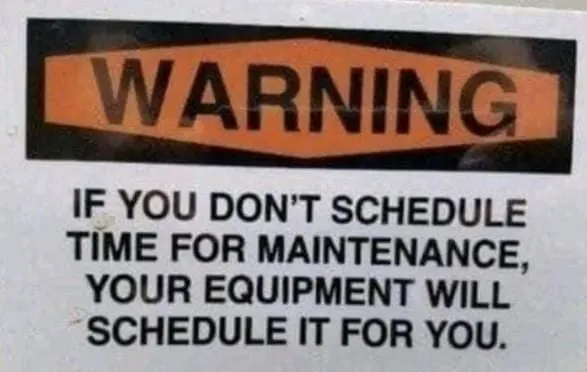
- Secure the result. We set up maintenance so the fault does not return, and we teach your people to recognise the signs themselves.
What we need for a fault analysis
How an analysis runs depends on the situation. We want to know how the line is running, and we need to see the fault or be able to reproduce it, or there has been a crash that we need to repair.
Fault analysis of electric drives, sensors and controls
We also analyse faults in electric drives, sensors and controls (PLC). Faults often sit at the boundary between mechanics, electrics and controls. Because we look at those disciplines together, we find causes that fall between the cracks when a mechanic or a programmer works alone. We work on any brand.
Analysis only, with a report
You can also have us do just the analysis, without implementation. You then receive a report with priorities, risks and expected return.
Frequently asked questions about fault analysis
What is a fault analysis?
A fault analysis establishes why something broke, not only what broke. We collect fault records, machine data and the experience of the operators, take extra measurements where needed and isolate the cause. We only choose a solution once the cause is established.
When do you need a fault analysis?
When the same fault keeps coming back, when the line has lots of short stops, when only one experienced operator can get the machine running, or when temporary fixes have slowly become the normal way of working. Those are signs that the real cause has not been found yet.
What is the difference between a fault analysis and a breakdown service?
A breakdown service gets you producing again as quickly as possible. A fault analysis makes sure the same fault does not return. We do both: first get you running again, then get to the cause.
Do you also analyse faults in electric drives, sensors and controls?
Yes. Faults often sit right at the boundary between mechanics, electrics and controls (PLC). Because we look at those disciplines together, we find causes that fall between the cracks when a mechanic or a programmer works alone. We work on any brand.
How do you know the solution works?
Where possible, we first build the solution as a temporary set-up to test and fine-tune it in practice. We make it permanent only once the result is proven. After that we track downtime and faults, so you can see what it delivers.
Can you do just the fault analysis, without implementation?
Yes. You then receive a report with priorities, risks and expected return.
Do you work together with our own maintenance team?
Yes, that usually works best. We tackle the faults together and teach your people how we find the cause, without sidelining your own organisation. During the analysis we draw on the experience of the operators and maintenance technicians who work at the machine every day. Want to strengthen your maintenance team over a longer period? Read about our maintenance team support.
Which region do you work in?
We work for manufacturers in central Sweden (Örebro, Värmland and Västmanland counties).
Our other services
Process optimisation & automation
Smarter, more efficient processes.
Software & system integration
Connections between machines and systems.
Training & support
Teams that understand their own systems.
Machine building & special-purpose machines
For products that do not fit a standard machine.
Retrofit of existing machines
Modernising ageing machines.
Robotics & automation
Robots that take over repetitive and heavy work.
Maintenance team support
Solving faults and strengthening your maintenance team.
CE marking & machine safety
Safe machines, the right documentation.
A fault that keeps coming back?
Get in touch to schedule a fault analysis, and we will track down the real cause together.